Uneven skin texture can show up as roughness, enlarged-looking pores, acne scarring, fine lines, dullness, or patches that do not reflect light evenly. Chemical peels and microneedling are medically guided options that may help improve the appearance of these concerns, but they work in different ways.
When comparing chemical peel vs. microneedling, the right choice depends on what is contributing to your texture concerns and what kind of recovery fits your routine. A thoughtful plan begins with understanding your skin, not following a trend.
Choose a Texture Treatment That Fits Your Skin
There is no universal "best" treatment for uneven texture. Some people are mainly concerned with dry, dull, rough-looking skin, while others want to address lingering acne marks, visible pores, or deeper acne scarring. Treatment selection should reflect your skin type, sensitivity, pigment concerns, lifestyle, recovery preferences, and goals for gradual improvement.
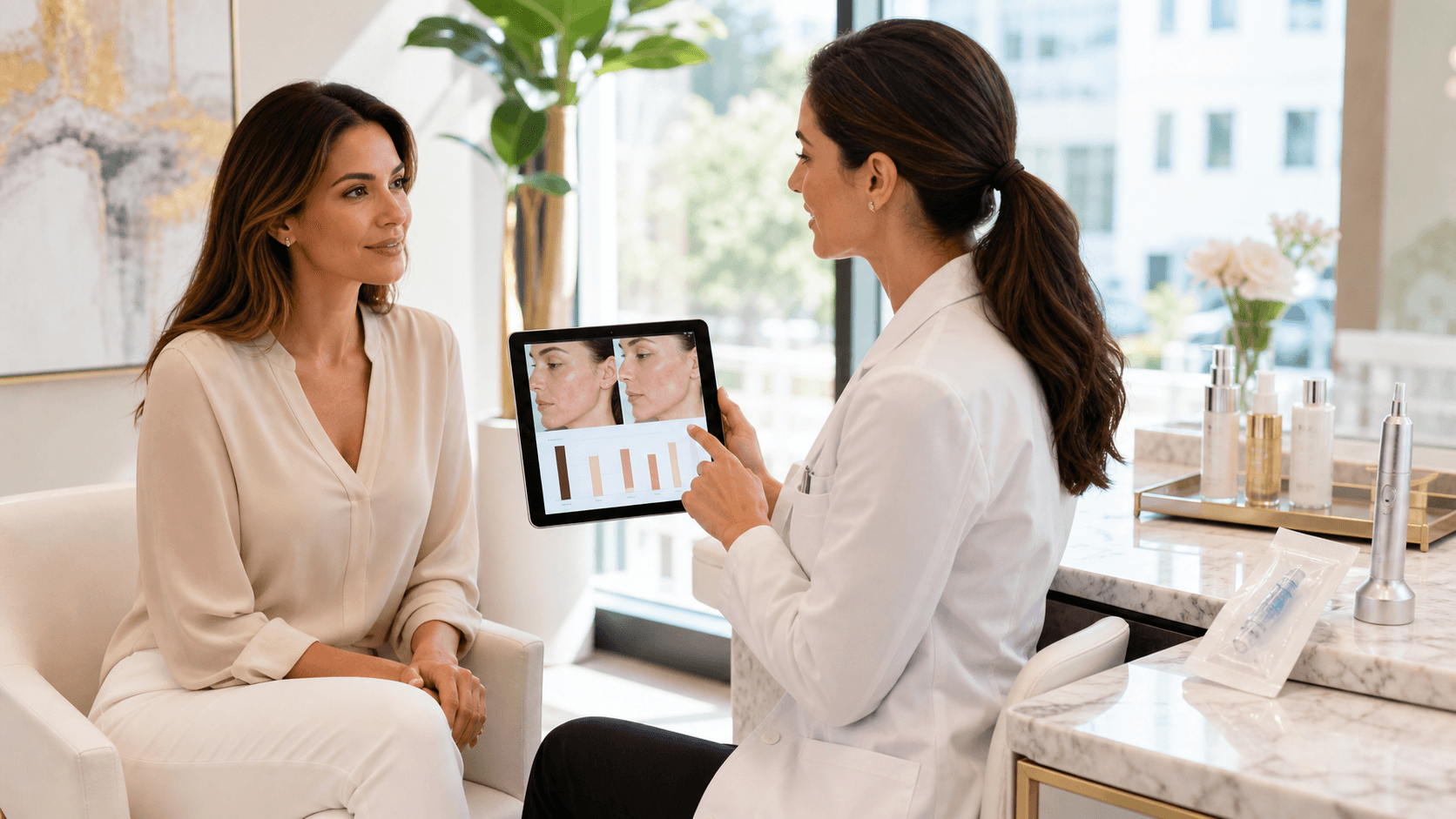
At ProMD Health Lafayette, we take a personalized approach to skin rejuvenation for patients in Lafayette and nearby Louisville, Broomfield, Erie, and surrounding Colorado communities. During a consultation, we discuss what you are seeing in the mirror, what has affected your skin in the past, and what type of natural-looking results you hope to achieve.
A treatment plan may consider:
- Whether texture concerns are mostly on the skin's surface or appear deeper
- Your history of irritation, discoloration, or sensitivity
- How much visible recovery time feels manageable
- Whether you prefer gradual improvement or a more noticeable renewal period
Why Texture Concerns Need a Personalized Plan
Uneven texture may be associated with many factors. Sun exposure, acne breakouts, past inflammation, dryness, slowed cell turnover, collagen loss, and acne scarring can all affect how smooth and even skin appears. Identifying the main concern helps us determine which treatment approach may make sense.
Skin tone and sensitivity also matter. Some individuals may be more prone to post-inflammatory discoloration, prolonged redness, or irritation after a treatment. For that reason, we tailor treatment depth, technique, skincare preparation, and aftercare based on individual needs rather than using the same approach for every patient.
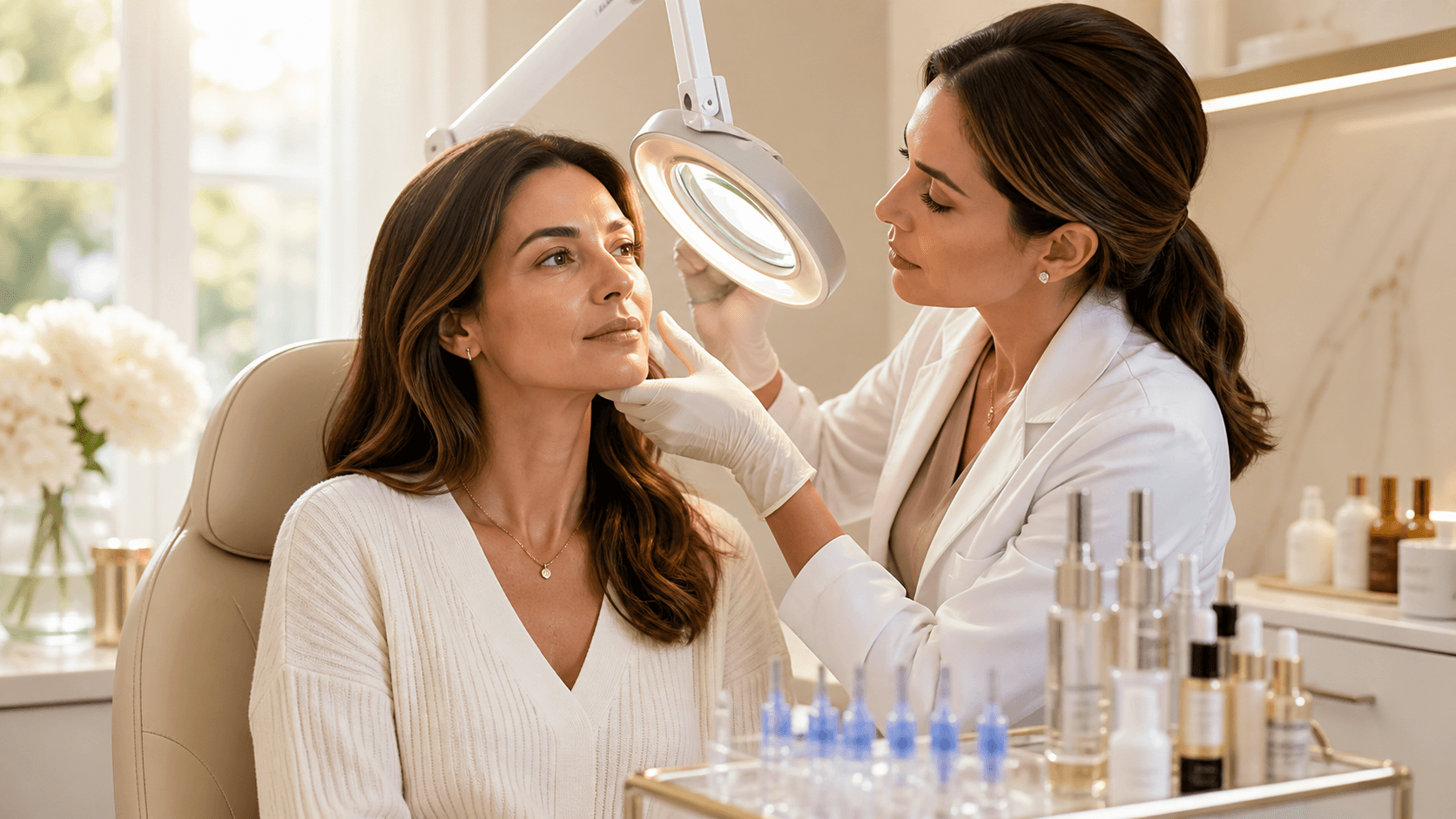
Professional evaluation is especially helpful if you have active acne, eczema, another inflammatory skin condition, a history of unusual scarring, recent cosmetic treatments, or prescription skincare in your routine. In some cases, we may recommend preparing the skin before a chemical peel or microneedling treatment. In others, it may be better to postpone treatment until active irritation or infection has been evaluated.
How Chemical Peels Refresh Surface Texture
A chemical peel uses a carefully selected topical solution to encourage exfoliation and skin renewal. Depending on the formula and strength, chemical peels may help improve the appearance of dullness, rough texture, mild discoloration, fine lines, and certain acne-related concerns.
Peels are available in different strengths. Lighter options may create little to no visible peeling, while stronger treatments can involve more noticeable flaking and a longer recovery period. Your provider will determine the appropriate peel based on your skin condition, goals, and tolerance for downtime.
Following aftercare instructions matters as much as the treatment itself. Temporary redness, tightness, dryness, flaking, and sensitivity may occur. We recommend avoiding picking, scrubbing, or adding extra exfoliation while the skin is healing.
After a peel, your plan may include:
- Gentle, provider-recommended skincare
- Daily sunscreen and reduced direct sun exposure
- Avoiding harsh active ingredients until advised otherwise
- Allowing flaking skin to shed naturally
Colorado sunshine can feel intense in every season, including fall and winter. Consistent sun protection before and after a peel helps support the skin during recovery.
How Microneedling Supports Collagen Renewal
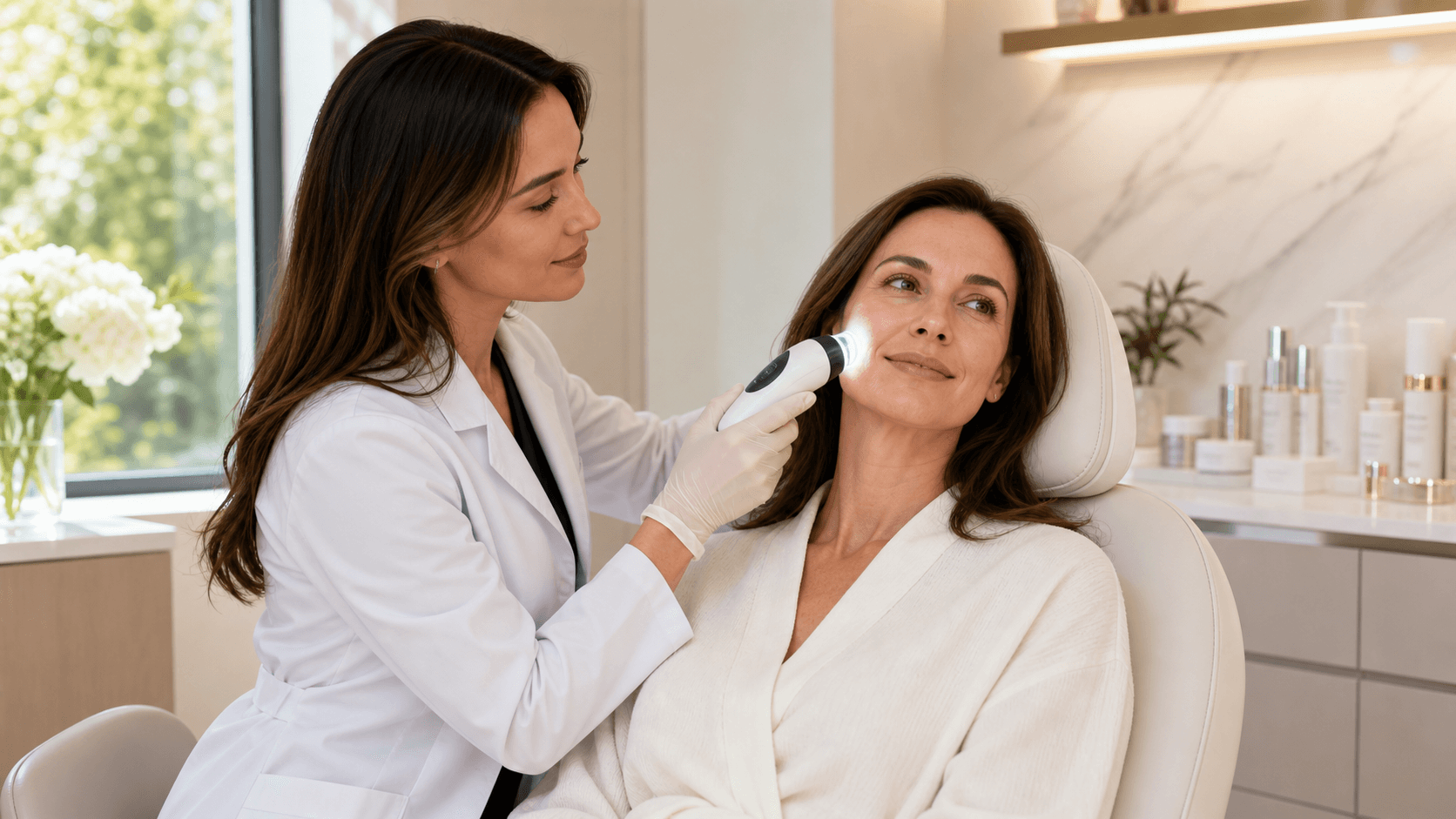
Microneedling uses very fine needles to create controlled microchannels in the skin. The treatment is designed to support the skin's natural repair response and collagen production. Over time, this may help improve the appearance of texture, fine lines, enlarged-looking pores, and certain types of acne scarring.
Unlike a peel, which focuses on encouraging surface renewal, microneedling is often considered when collagen-focused improvement is a higher priority. Results tend to develop gradually rather than appearing as an immediate transformation. Depending on your goals and skin response, an individualized treatment plan may include a series of sessions.
Redness, warmth, mild swelling, dryness, and temporary sensitivity can occur after microneedling. Many people describe the short-term redness as similar to a mild sunburn. During recovery, we may recommend pausing certain active skincare ingredients and limiting sun exposure. Treatment may be postponed when there is active irritation, infection, or another concern that should be addressed first.
Compare Results, Recovery, and Candidacy
Chemical peel vs. microneedling is not really a competition. Each option has a different role in a personalized skin plan. Chemical peels are often selected when surface-level concerns, such as dullness, roughness, or uneven-looking tone, are the main focus. Microneedling may be considered when the goal is to support collagen renewal for texture changes or acne scarring.
Recovery preferences can also guide the decision. A lighter peel may involve mild flaking, while a stronger peel can create more visible peeling. Microneedling often causes short-term redness and sensitivity. Recovery varies based on treatment intensity, skin sensitivity, and how closely aftercare guidance is followed.
In some cases, treatment options may include both approaches at different times. We can help you understand how to space treatments safely and which professional skincare products may support your skin between visits. The goal is not to do more treatments, but to choose the right treatment at the right time.
Start Your Fall Skin Renewal Plan
Early fall can be a useful time to reassess your skincare routine, especially as weather changes, outdoor activities shift, and holiday events approach. Cooler months may be convenient for some skin rejuvenation treatments because people may spend less time in direct sun, although sunscreen remains part of good skin care year-round.
A personalized assessment can help clarify whether uneven texture is more connected to dullness, dryness, acne scarring, enlarged-looking pores, or another concern. The most helpful plan is one that respects your skin's needs, your recovery preferences, and realistic expectations for gradual, natural-looking improvement.
Choose a Texture Treatment With Confidence
At ProMD Health Lafayette, we help patients understand how each approach fits into a thoughtful skincare routine. Chemical peel vs. microneedling is a helpful starting point for learning more about peel options and what they may address. Our team can guide you through treatment considerations, recovery expectations, and the steps that may support healthier-looking skin over time.