What Can Help Improve Sun-Damaged Skin After Summer?
Sun exposure can leave skin looking less even, less smooth, or less radiant by the end of summer. A thoughtful treatment for sun-damaged skin may help improve visible concerns over time, but the best approach depends on what your skin needs and what results you hope to see.
In Lafayette, high altitude, dry air, and an active outdoor lifestyle can add up to significant sun exposure. We often help people look at post-summer changes with realistic expectations, then create a medically guided plan designed around natural-looking, gradual improvement.
Recognize Common Signs of Post-Summer Skin Stress
After months of hiking, patio time, driving, vacations, and everyday outdoor activities, you may notice that your complexion looks different. Sun-related changes can show up differently based on your skin tone, past sun exposure, current skincare routine, skin sensitivity, and existing skin concerns.
Common cosmetic concerns we may discuss during a skin evaluation include:
- Dark spots or areas of uneven-looking pigmentation
- Freckles that appear darker or more noticeable
- Dryness, rough texture, or a dull-looking complexion
- Fine lines that seem more visible than before
- A loss of smoothness or overall radiance
UV exposure may also contribute to collagen breakdown over time. Collagen is one of the proteins that helps skin look firm and smooth, so gradual changes in collagen can make fine lines and skin laxity more noticeable.
Not every spot or skin change is cosmetic. A new lesion, or one that changes in size, color, shape, texture, or behavior, should be evaluated by an appropriate medical professional. Aesthetic treatments are not a substitute for an evaluation of a concerning skin change.
Choose Treatment Options Based on Your Goals
There is no single treatment for sun-damaged skin that fits everyone. Your provider will consider the type and severity of visible concerns, your skin's sensitivity, your treatment history, your preferred downtime, and how quickly you would like to see gradual improvement.
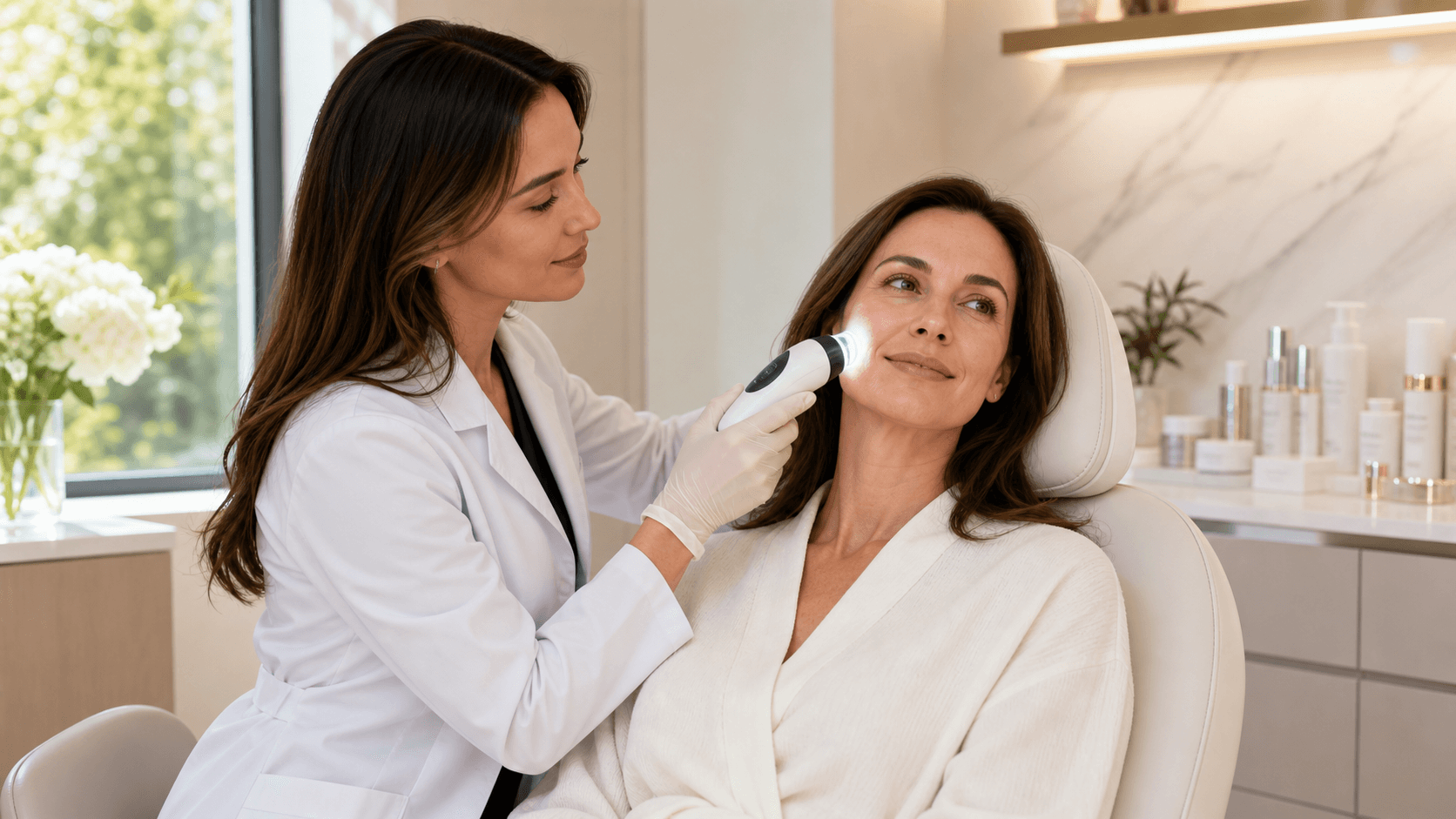
For surface-level dullness, mild discoloration, and uneven texture, chemical peels may be an option. These customizable exfoliating treatments are designed to encourage skin renewal. Depending on the peel selected and your individual needs, a chemical peel may help improve the appearance of rough texture, uneven-looking tone, and a complexion that has lost some brightness.
Microneedling is another skin rejuvenation option we may discuss. This treatment is designed to support the skin's natural collagen response and may help improve the appearance of texture, fine lines, and certain acne scars over time. Because collagen-focused changes develop gradually, a series of treatments may be recommended depending on your goals.
Medical-grade skincare can also play an important role. Provider-recommended products may support hydration, skin renewal, pigment management, and long-term maintenance between in-office treatments. The right combination matters, especially when your skin feels dry or reactive after a sunny season.
Support Professional Care with Consistent Skincare
Professional treatments and at-home skincare work best as part of the same plan. We recommend keeping your routine focused and consistent rather than adding every active product at once.
A supportive post-summer routine may include:
- Broad-spectrum sunscreen with SPF 30 or higher
- Gentle cleansing that does not leave skin feeling stripped
- Moisturizer suited to your skin type and dryness level
- Provider-recommended active ingredients based on your goals
- Regular follow-up on how your skin is responding
Sunscreen remains one of the most helpful ways to limit additional visible sun damage. In Colorado, sun protection matters during hikes, outdoor lunches, driving, cloudy days, and winter recreation. Reapplication is especially important when you spend extended time outside.
More is not always better when it comes to active skincare products. Starting several strong products at once may lead to irritation, flaking, redness, or increased sensitivity. This is particularly important if you have sensitive skin or are preparing for a chemical peel or microneedling treatment. During a consultation, we can review the products you already use and help you understand which changes may make sense for your individualized treatment plan.
Plan Skin Rejuvenation During the Fall
Early fall can be a practical time to evaluate your skin after summer and begin planning. With fewer days spent in intense direct sun, some people find it easier to follow aftercare guidance and stay consistent with a recommended skincare routine.
Skin rejuvenation is usually not about a dramatic overnight change. A chemical peel, microneedling treatment, or targeted skincare plan may involve a series of appointments and gradual results. Beginning in the fall can give you time to plan around holiday events, travel, or the dry conditions that often arrive during Colorado winters.
Recovery needs also vary. Depending on the treatment selected, you may experience temporary redness, dryness, peeling, or sensitivity. We will explain what may be expected, how to care for your skin afterward, and when it may be appropriate to return to normal activities. Even as temperatures cool, ongoing sun protection remains part of protecting your skin's appearance year-round.
Personalize Your Post-Summer Skin Plan
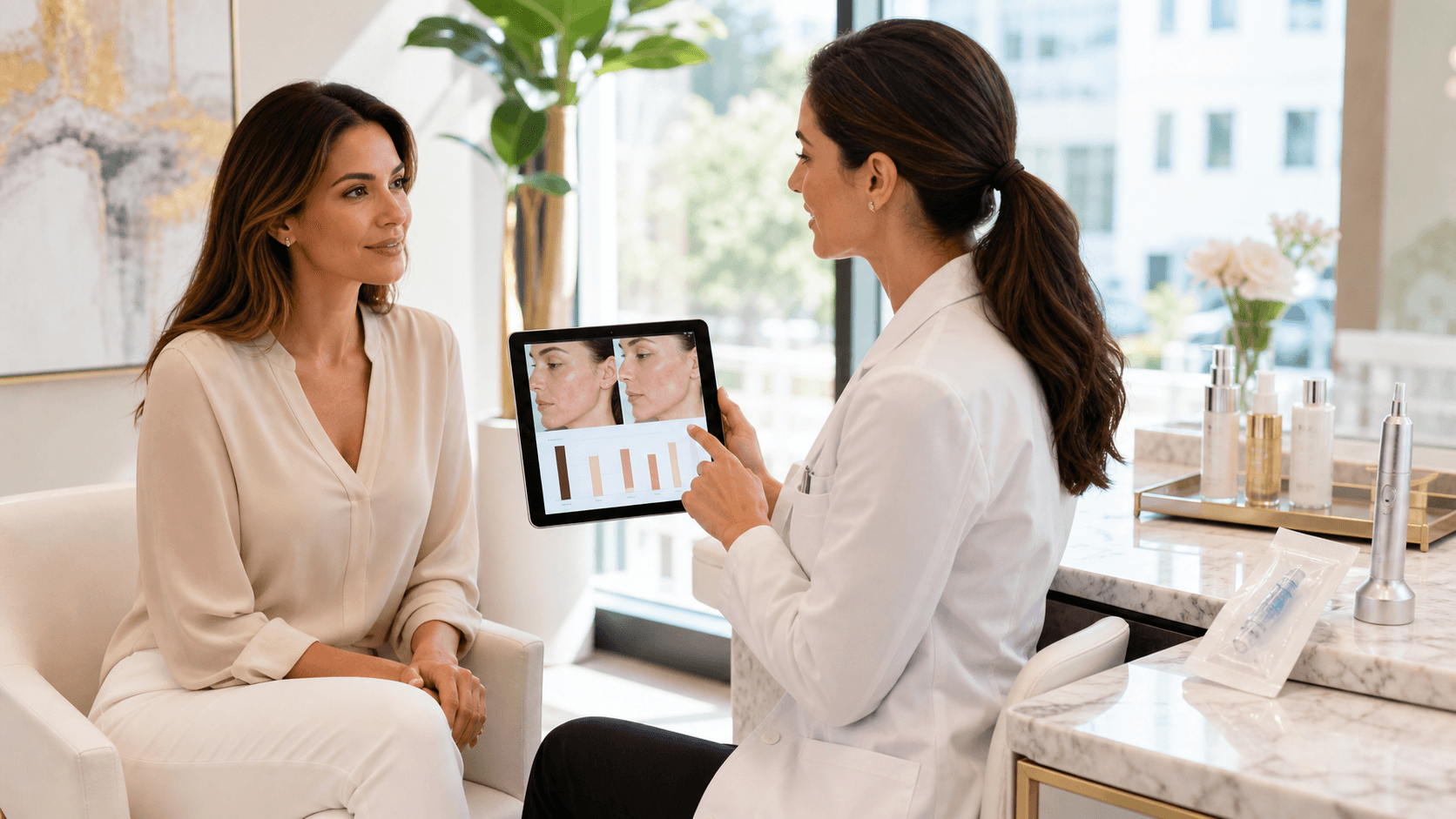
A consultation gives us the chance to look beyond one dark spot or one fine line. We can talk through your skin goals, current products, past treatments, daily sun exposure, lifestyle, and any sensitivity concerns before recommending options that may be appropriate for you.
For people in Lafayette, Louisville, Broomfield, Erie, and surrounding Colorado communities, the most useful starting point is a clear understanding of what your skin is showing now. With consistent sun protection, a gentle routine, and professional guidance when needed, you can take measured steps toward a brighter, more even-looking complexion.
Support Healthier-Looking Skin With Personalized Care
At ProMD Health Lafayette, we take time to understand your skin concerns, goals, and daily routine before recommending next steps. Learn whether a treatment for sun-damaged skin may be appropriate for improving the appearance of uneven tone, texture, or dullness. Our team can help you consider peel options and build an individualized plan that supports gradual, natural-looking improvement.